Notable Pro Audio Repairs
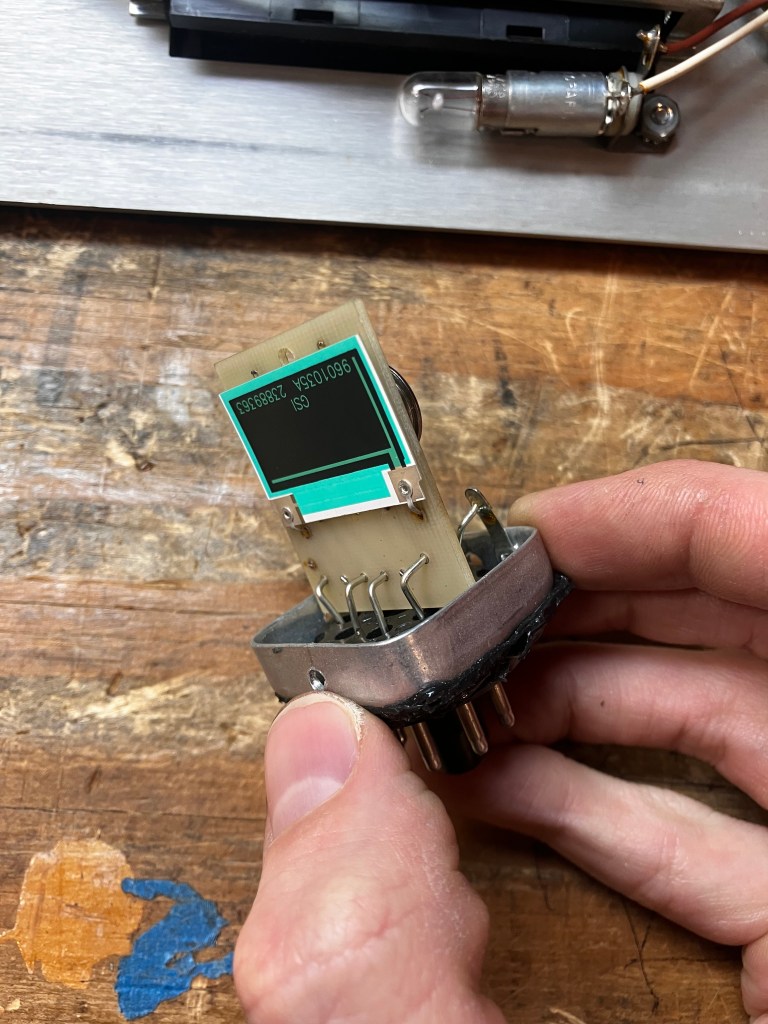
1970s Urei LA-2A – For a short time early on, these were released with Urei branding instead of Teletronix. This S/N was one of the last manufactured under the Urei run. Completely original other than a sticker on the optical cell noting a servicing by ADL in the late 90s, cleaning was the bulk of the work performed (all circuitry was preserved at the owners request). The unit was not compressing as a result of the optical cell aging out. Instead of replacing the whole cell, an authentic NOS electroluminescent panel was installed to maintain authenticity and preserve the original octal can. NOS tubes were installed throughout. From a flagship studio in Chicago where it lived from the 1970s until recently, who knows what hits this might have recorded.


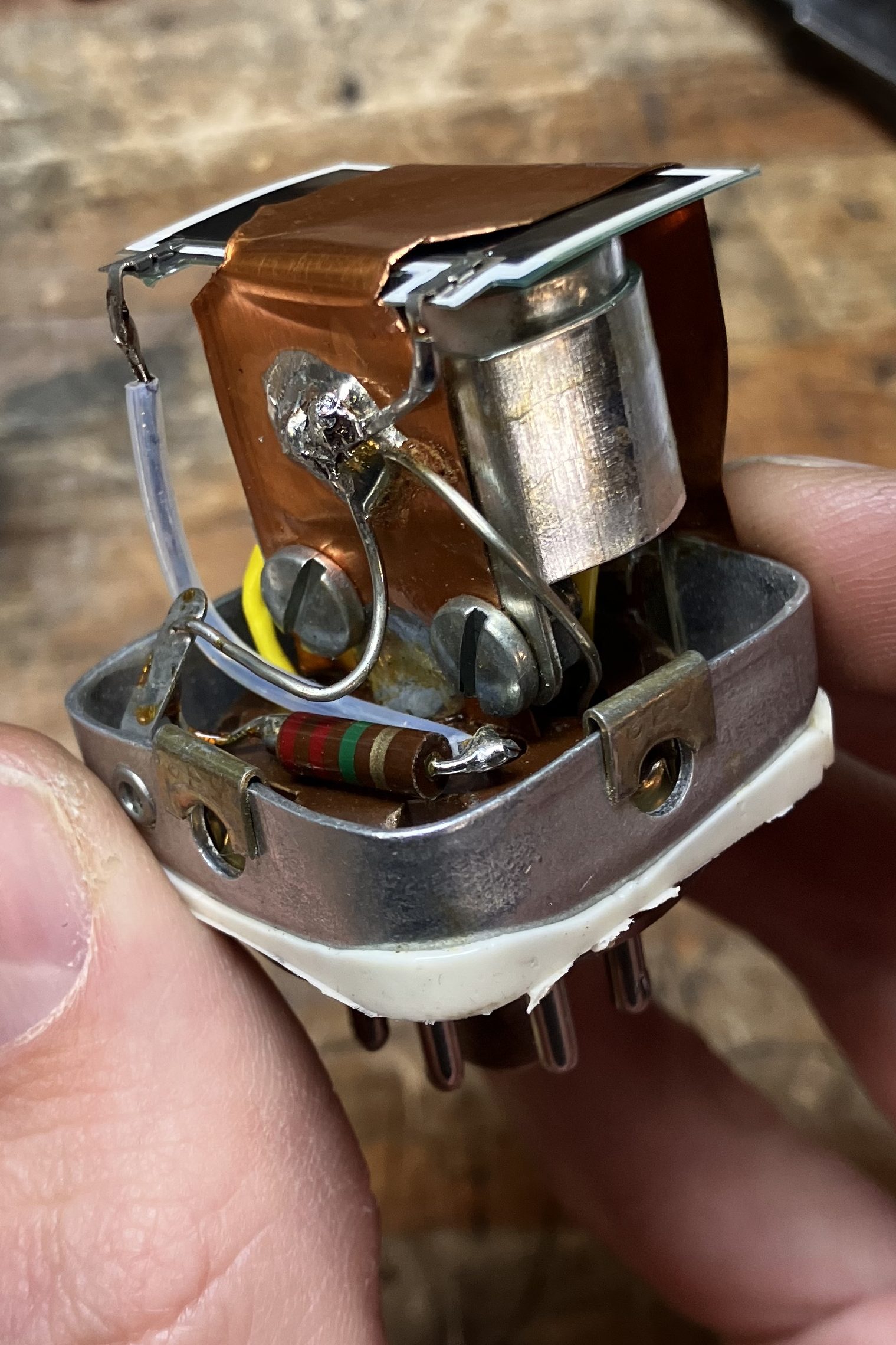
1990s Teletronix LA-2A (Harmon Kardon Reissue) – Note the differences and similarities between the vintage and re-issue unit on both interior assembly and optical cells in the photos. This unit we recapped with a CE multican capacitor for authenticity, which had the added bonus of closing a huge hole that was exposing high voltage from the rear. The electroluminescent panel was replaced inside of the existing octal can with an OEM one (thanks StudioElectronics!). The gain reduction metering on this unit was all over the place, intermittently working great then going haywire when flipping the faceplate back up. Issues with a cable run from the front panel to the turret board were discovered and resolved. Mods that had been installed by a previous tech included a toggle for the “hidden” LA-2A De-Esser (R37) functionality, as well as relocating the compression / limiting toggle to the front panel.
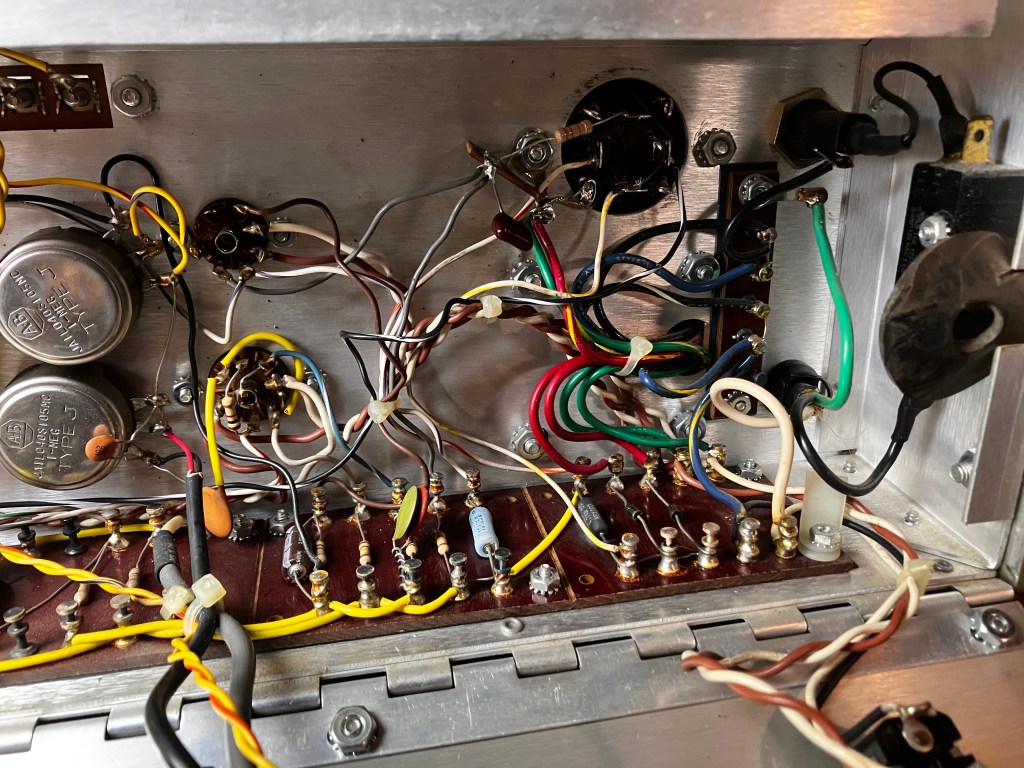

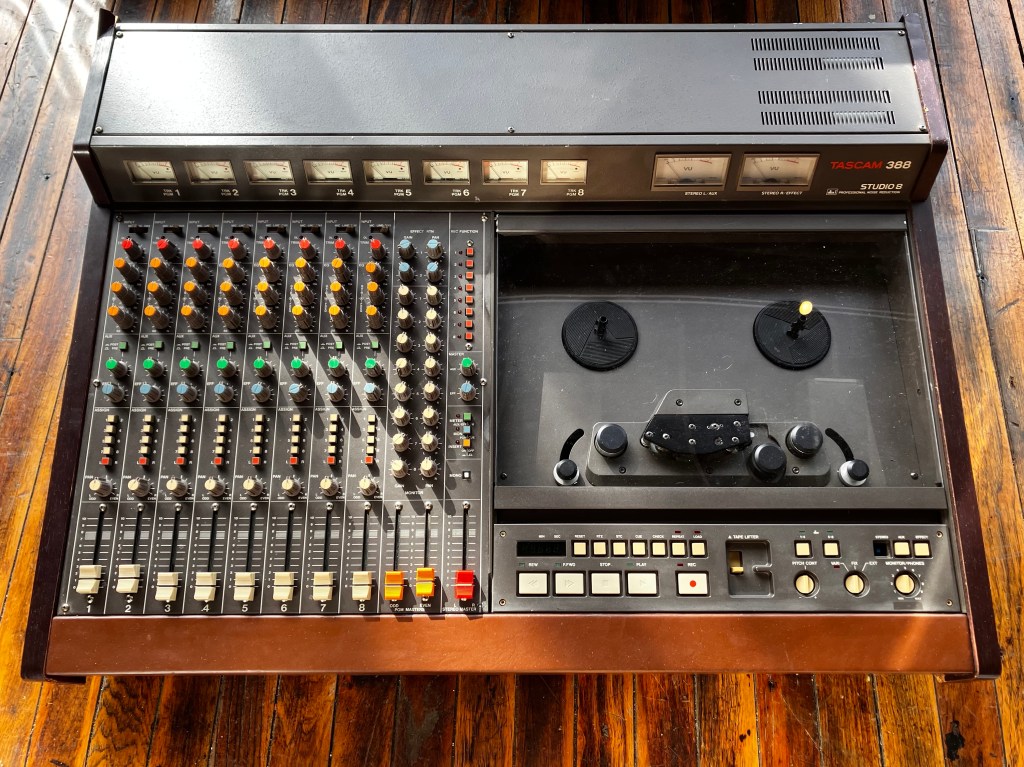
Tascam 388 (x2) – Two of everyone’s favorite “portable” studios made their way in for work in February and March. These units probably marked about half dozen that have been worked on in the past couple years. One of the units required a belt replacement (and cleaning old belt goo) along with tension adjustments because the transport was acting up. A few of the trim pots on the board where tension is adjusted had been replaced previously and some solder work was touched up. The second unit was severely smashed in shipping and required substantially more expansive work – pin headers were bent and snapped, PCBs were cracked and bent (see the photo!) , a channel was dead, chassis hardware was loose throughout, the transport was freezing up, and the tape lid was cracked. Following a ton of work, the unit was good as new and ready for a new home.


API 554 – No significant servicing, just bench testing and documenting

SSL FX G384 Bus Compressor – SSL’s initial entry into outboard gear with a rack-mount version of their bus compressor, this unit came in passing audio but with no compression. Inspection of the underside of the board revealed a previous tech had cut traces, most likely trying to troubleshoot, the bulbs were out, a resistor had burned open and a transistor had shorted. Once compression was back in action the main pair of filter caps were recapped (this proved more difficult than expected as the ground plane on the board and small hole made it extremely difficult to remove solder).

Manley Vari-Mu Compressor – After getting toasty in a rack for years, some of the filter caps looked worse for wear and were replaced. The PCB was cleaned of melted goop that was a product of rubber spacers that Manley had used which slowly were melting. Have encountered situations where old goop across circuit board traces has caused issues down the road on other equipment sometimes, so residue was removed as much as possible. Another one came in around the same time that had a different layout and seemingly similar but different circuit.

Vintage Neve 1073s (BAE Racked) – Powered these up for a bench test and a few minute later a resistor started smoking away. Filter caps in one of the modules had shorted, so took this as an opportunity to recap both channels. Both channels had all non-audio path electrolytic capacitors replaced (with the aesthetically and period correct axial capacitors). The original 1073 coupling capacitors in the audio path were left in tact to preserve originality. To complete servicing, excess flux was removed from the boards, pen markings from previous technicians were cleaned off, and the edge connectors were cleaned, and the preamp was back in action sounds as good as it has for the past several decades.

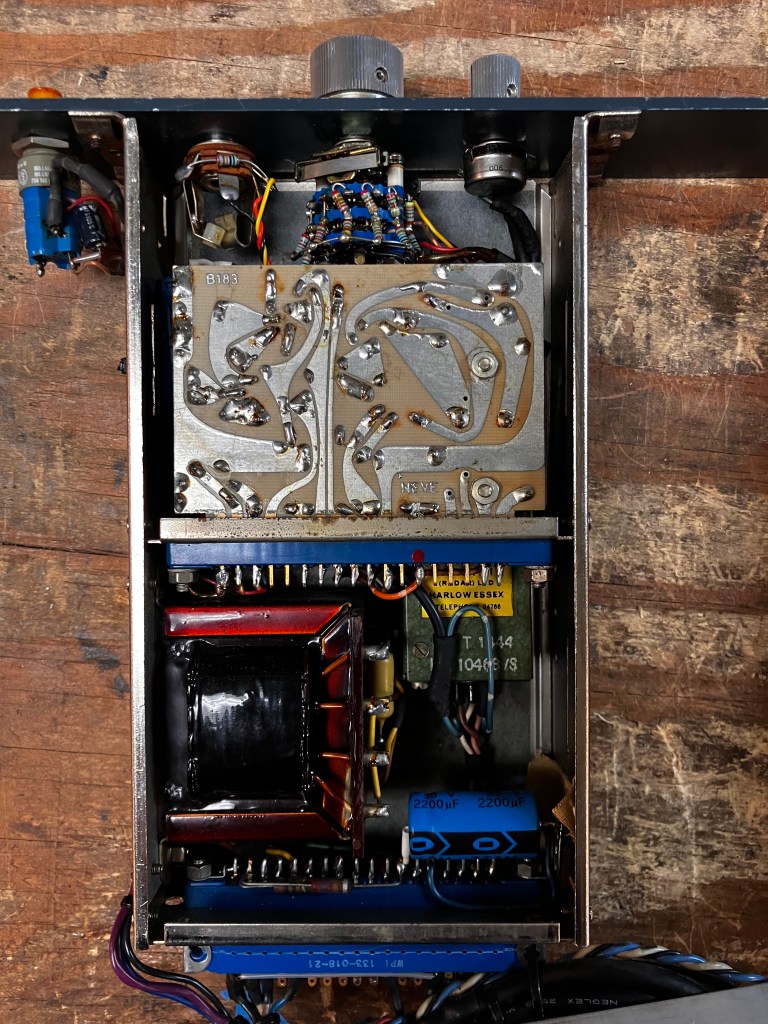

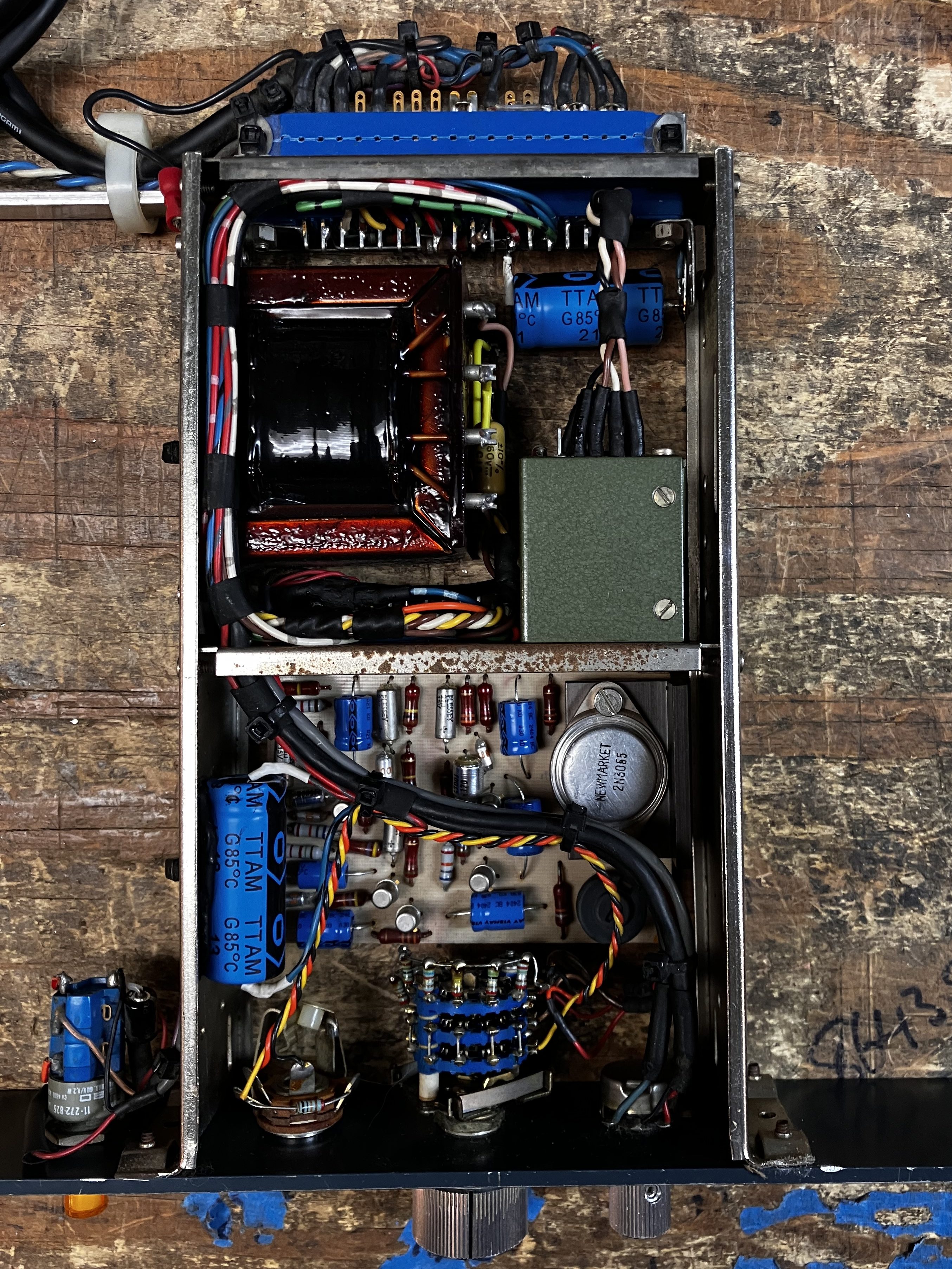
Ampex 601 – Brought in because one of the preamp was tonally off from the other. Different (but still original) input and output transformers would suggest some possible differences from different manufacturing runs, but the real culprit was the extent of previous servicing on these units. Where previous coupling and cathode caps had been installed was not consistent, so component matching was done on the unit that sounded worse. The output caps on both units were bumped up slightly and matched in capacitance.

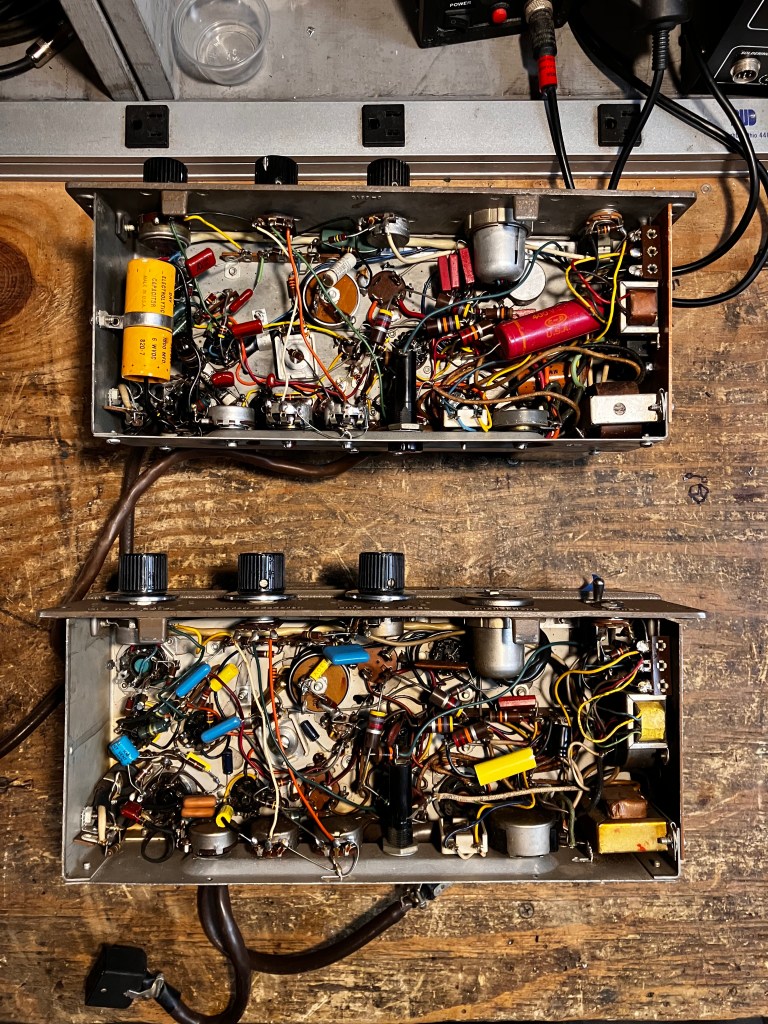

Pultec EQP-1A3 (Sequential Pair!) – The solid state version of the classic EQP-1A, these Pultecs came from a long running studio who had purchased them new several decades ago. Cleaning up the faceplates and doing some routine servicing for retail. Makeup gain is provided via a discrete opamp. At one point on of the power supply units blew up and was replaced with a separate power supply.


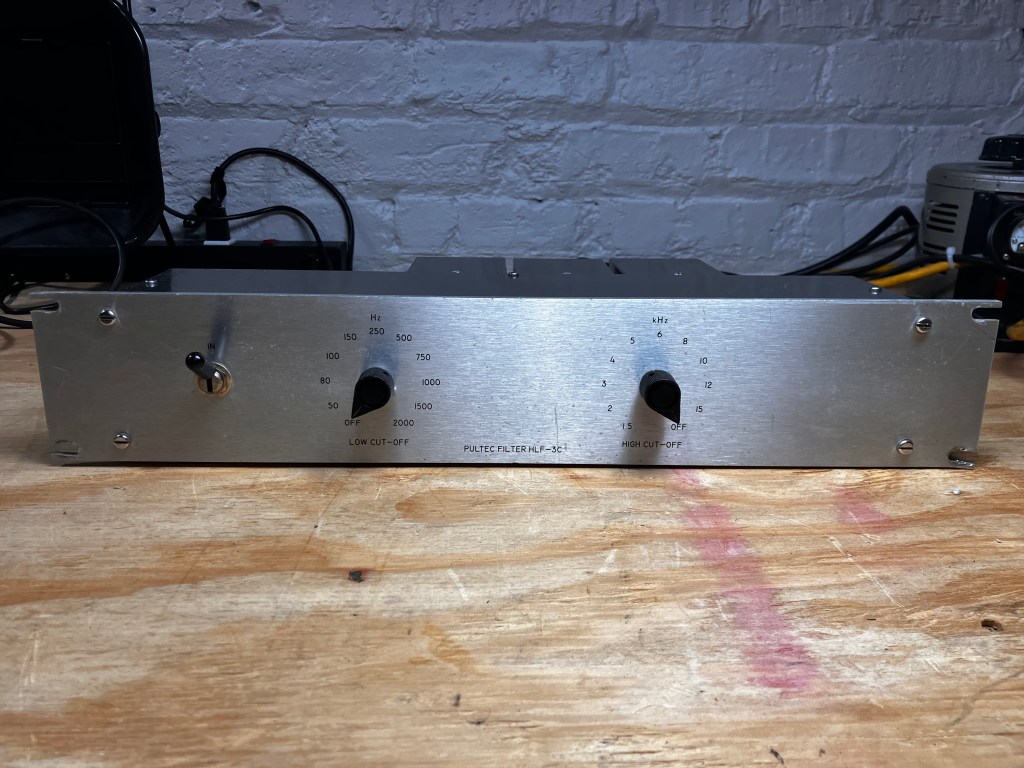
Pultec HLF-3C – Installed some pigtail XLR connectors on the rear to confirm it worked. Completely passive, everything is housed in the rear-mounted inductor/capacitor boxes.

Notable Amp Repairs
Ampeg Portaflex B15 – The bass king! This cosmetically pristine (other than rotting handle) 1970s Ampeg fliptop saw very little use over its life. Slowly raising up the voltage to form the caps didn’t save one of the sections of the Mallory multican capacitor from shorting, so with that all electrolytic capacitors were replaced. This model is a neat bridge between PCB and eyelet style design, featuring a multican mounted with bus bar to the circuit board along with a dynamite stick cap.



Fender Bandmaster 6G6 – An incredibly rare variant of an early Bandmaster, this attic-find amp had been heavily modified in a past life with a solid state reverb circuit mounted on the cap can, relocated presence control and a 5 pin XLR right through the serial number for unknown reasons (people often drill through the serial number area because of the space inside the chassis, boo), but an otherwise an in tact original circuit. A mysterious “Pulse Adjust” cutout for a jack on the rear panel is never seen again on Fender amps and not connected internally. Modifications were removed and the amp was restored to be as original as possible.
The brown and blonde era is a personal favorite era Fender amps, with the right amount of grit and the implementation of unique designs like the harmonic vibrato and different tone stacks. As a side note, the other rare Fender of this early era that takes the cake as the single best Fender I’ve heard is the the 6G9 Tremolux featuring EL84 tubes and an output section prone to melting down.


1970s Fender Twin Reverb – Smashed but on it will go! An export model that spent its life across the pond but couldn’t survive the trip back. Perks of working for a vintage-centric music store means that luckily there was a spare twin cabinet that we were able to transfer the entirety of the amp into. A preamp tube was shot, but other than that survived relatively unscathed, a testament to build quality. Routine eyelet inspection / touchup and cathode caps were replaced.

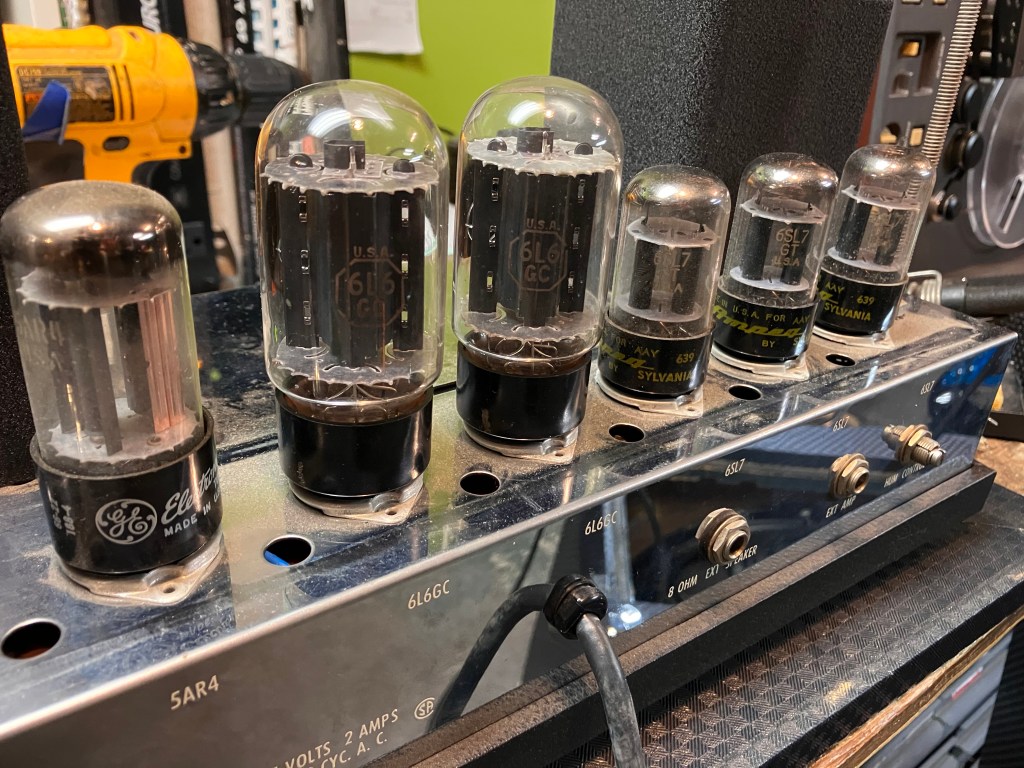
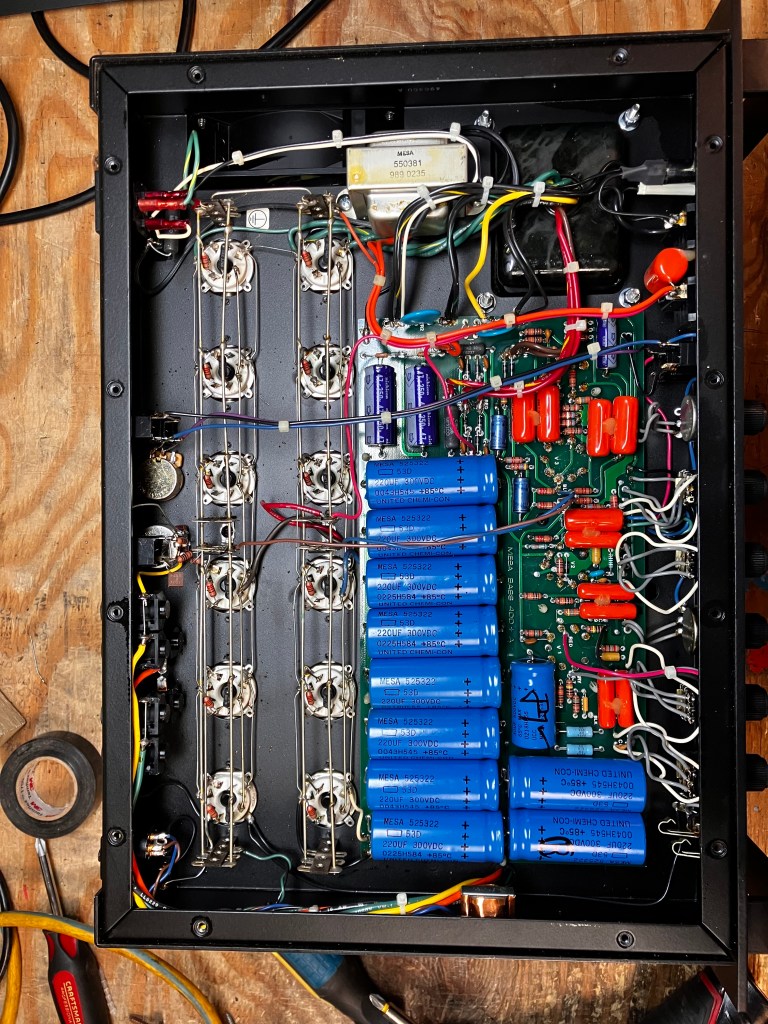
Mesa Boogie 400+ – Came in blowing fuses, found a power tube that had failed. The sockets were all dirty, requiring a thorough cleaning which was done while going through and testing the 11 other 6L6s.

Gibson Skylark GA-5 (Tweed 12AX7 Version) – An absolutely killer little amp that stands as a great example of tiny studio giants, this amp crunches up fast and has a great growl. Very similar to the 5F1 Champ but with a bit more bite. In and out quickly with a 12AX7 replacement. We have seen a ton of the later Gibson GA-5T amps over the past couple years, but this one takes the cake. A dirty preamp socket and pot were giving typical issues.


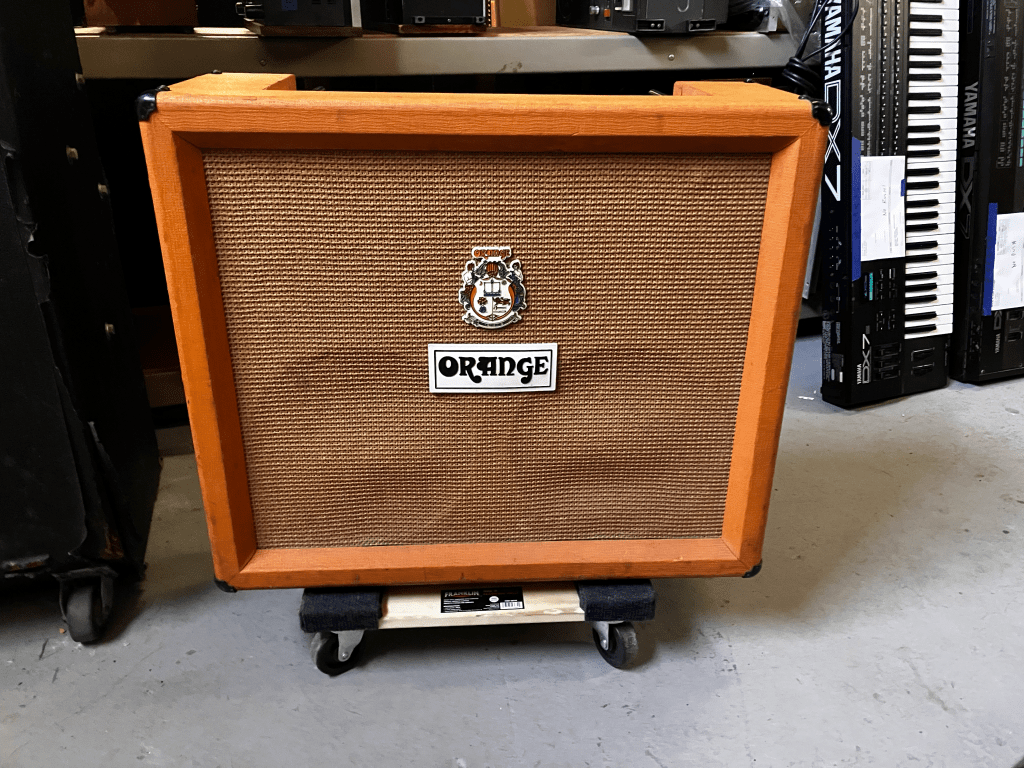
Orange OR80 – An absolute monster, these early Orange designs are a favorite for their simplicity in using only two preamp tubes. Almost every Orange from these early designs that we have seen has had slight differences in circuit, with differences in the “FAC” control and presence control design. This amp had previously been recapped, and while we prefer to use axial electrolytic when the original used them, we left the replaced ones in tact.



Sound City 120 – Age related issues brought this amp in for a little TLC before being shipped off to a new owner. The tone controls on this amp are particularly unique, making it standout compared to traditional Treble, Mid, Bass tonestacks found in other similar era amps. The construction on these is pretty cool, with double stacked turrets and some similarities to other British amps of the era (Marshall and HiWatt).


Vintage Marshall Jubilee 25/50 – A few issues with solder joints on the underside of this board were causing some intermittent dropouts and pops while the owner was playing. Luckily flipping board is fairly easy compared to some other pcb mount boards, and since the sockets aren’t on the board these aren’t as prone to issues over time.

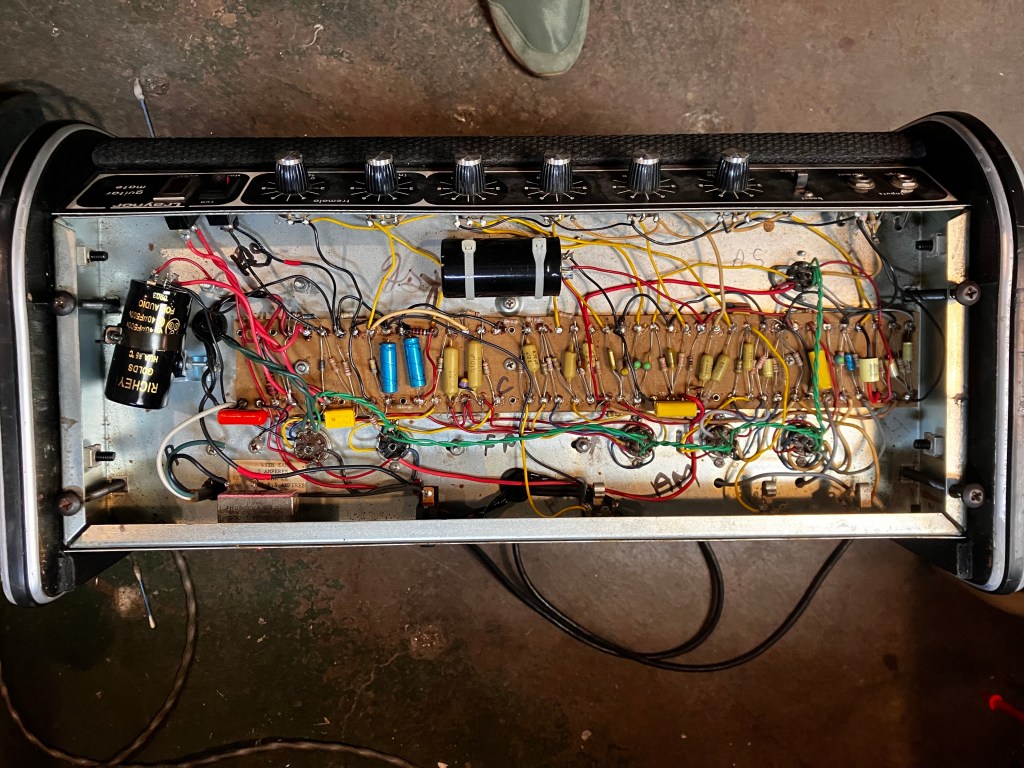
Traynor Guitar Mate – A total sleeper amp, this guy came in making all kinds of tragic sounds that were related to where the vibrato was set. A power tube was failing and there were bias issues but luckily there was no catastrophic cascading into other issues, and with replacement and careful inspection the amp made it out relatively unscathed.
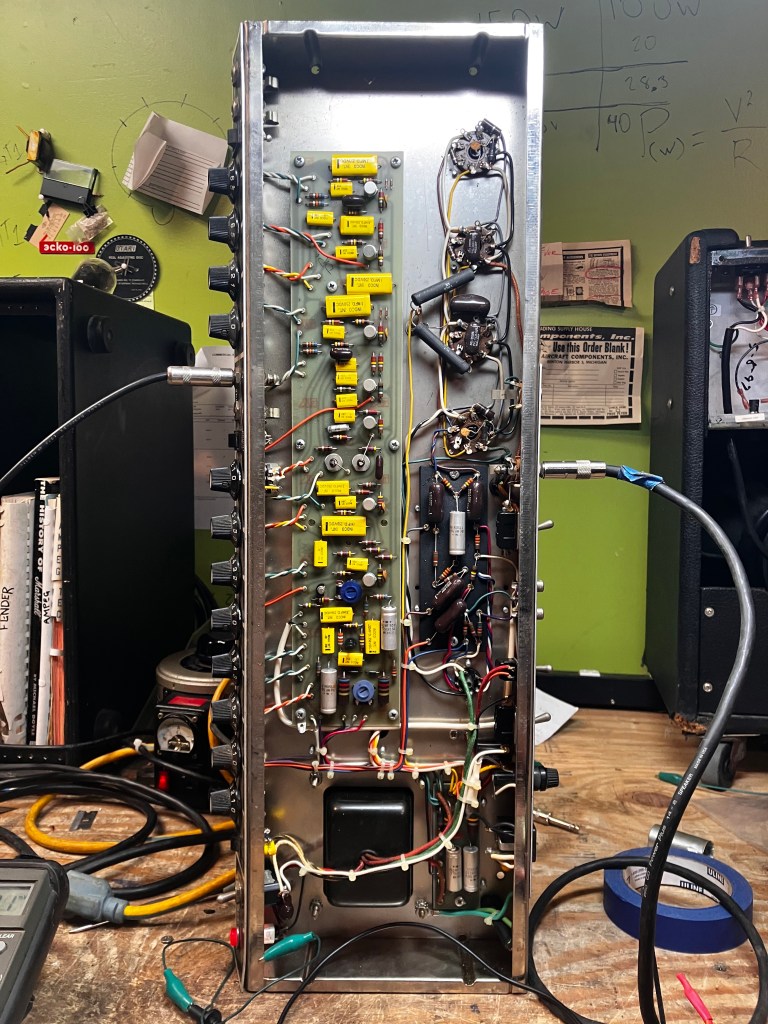
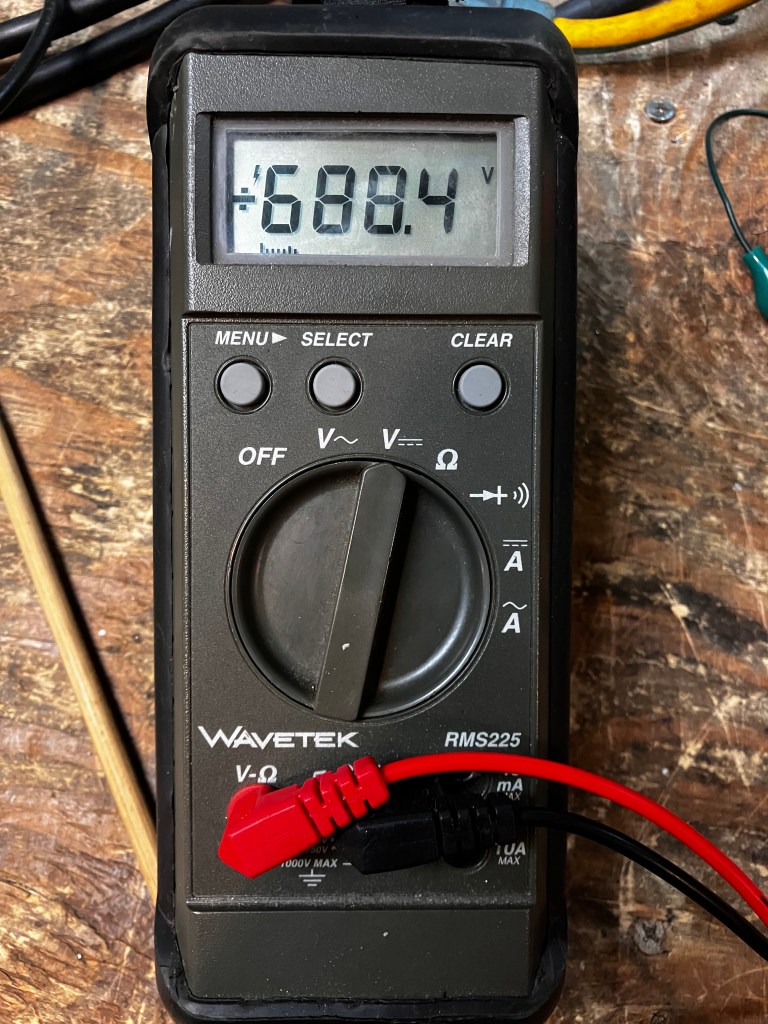
Music Man HD120 – High voltage alert! A unique amp consisting of a solid state front end with tube output section, these amps get LOUD and are known for having a high, high B+ voltage when set to full power. This one is a tube phase inverter variant, opposed to some (most?) models which are solid state. Power tubes were installed and the amp was biased. Aesthetically, there is something immensely satisfying about this construction and layout.
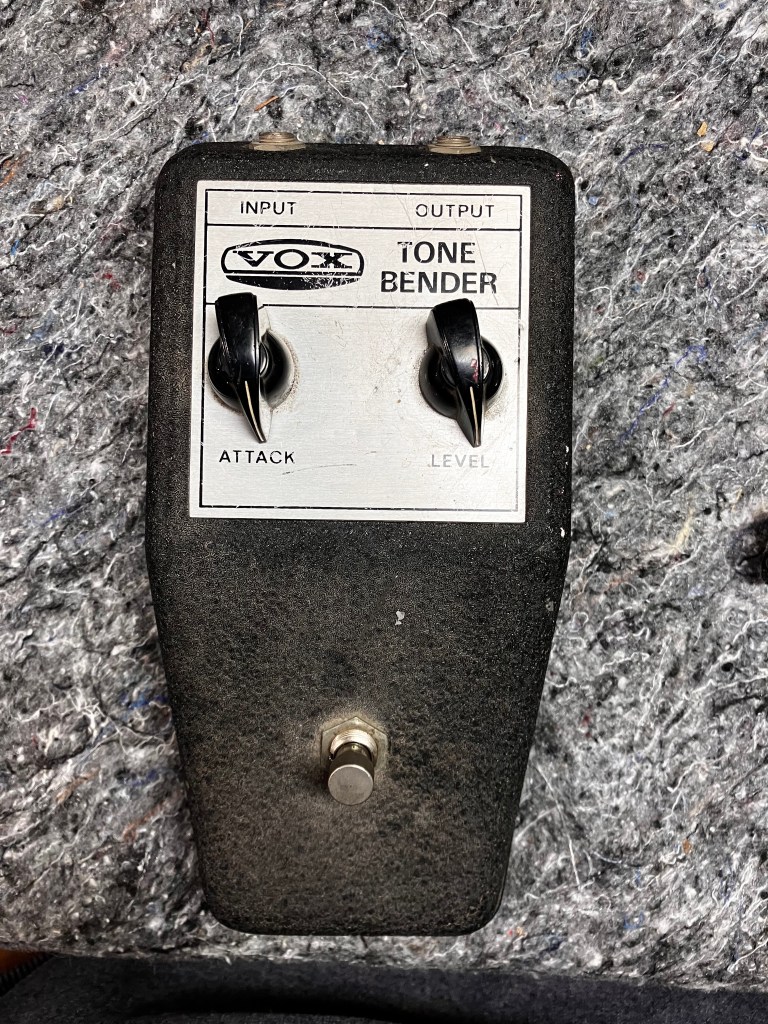
Vox Tone Bender – No fuzz? No problem. Footswitch and pots needed a thorough cleaning – isopropyl followed by contact cleaner.


Leave a comment